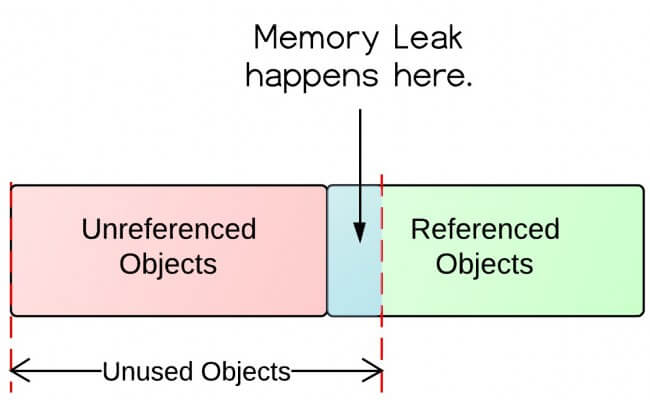
We know that java cleans up memory automatically with the help of garbage collector but still memory leaks can happen, this happens because our program keep holding onto things that are no longer needed. In many programming languages, a memory leak means “you allocated memory and never freed it.” in java, thanks to garbage collection (gc), things are safer — but not perfect Explore strategies to detect and fix memory leaks in java
Memory Leak in Java: How to Detect and Avoid
Understand tools like visualvm, mat, and best practices for optimal memory management.
Memory management is a critical aspect of developing efficient applications in java
A memory leak occurs when a program does not release memory that is no longer in use, which can lead to performance degradation, increased memory consumption, and even application crashes In this post, we’ll explore the common causes of memory leaks in java, as well as how to identify and prevent them. A memory leak occurs when an application unintentionally holds references to java objects or classes, preventing them from being garbage collected These unintentionally held objects or classes can grow in memory over time, eventually filling up the entire java heap or metaspace, causing frequent garbage collections and eventual process.
This post discusses common memory leak issues in java applications, focusing on the forever growing object caused by static collections that accumulate data without removal It outlines symptoms, troubleshooting techniques, and preventive measures, emphasizing the importance of analyzing heap dumps to identify problematic objects and improve application performance. What is a memory leak in java