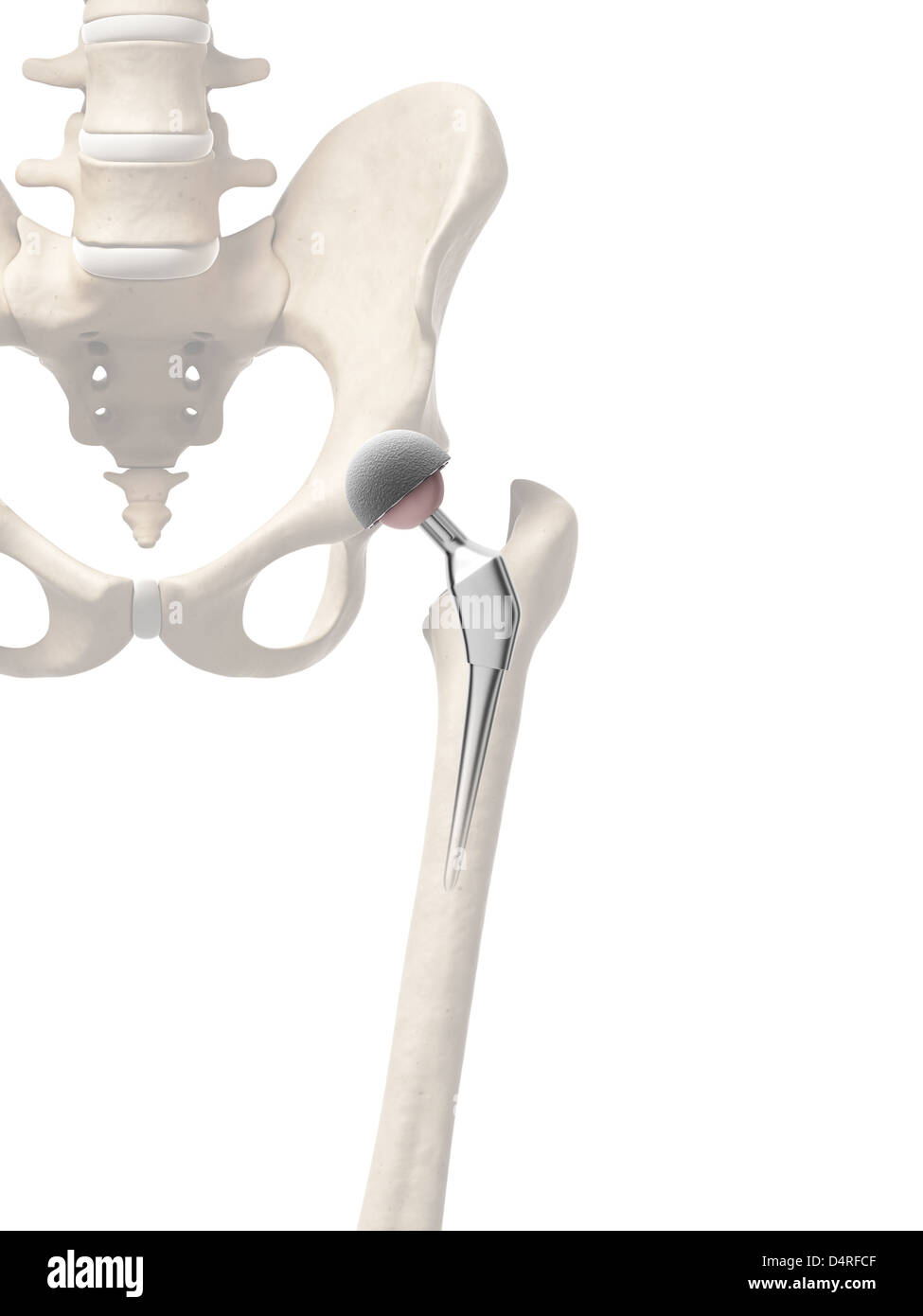
The hip joint is where your thigh bone connects to your pelvis Join us as we explore the fascinating intricacies of the hips, from the bones and joints, to the muscles, ligaments and primary functions that support our everyday movements. It’s the second biggest joint in your body after your knees.
Pélvis - Pelvis - xcv.wiki
The hip is formed where the thigh bone (femur) meets the three bones that make up the pelvis
The ilium, the pubis (pubic bone) and the ischium
These three bones converge to form the acetabulum, a deep socket on the outer edge of the pelvis. The strong but loose fibrous capsule of the hip joint permits the hip joint to have the second largest range of movement (second only to the shoulder) and yet support the weight of the body, arms and head. Learn about the possible causes of hip pain and common ways to get relief from the soreness. What we typically think about as hip pain, or pain that is located on the side of the hip, may in fact be coming from the hip, the muscles around the hip or joints next to the hip, including the lower back area and si [sacroiliac] joint,” said dr
Explore hip bone anatomy with parts, names, functions & labeled diagrams Learn structure & role of hip bones in movement, support & protection. The hip joint connects the lower extremities with the axial skeleton The hip joint allows for movement in three major axes, all of which are perpendicular to one another.

The hip is central to nearly every move you make, so any problem in this area can have a significant impact on your quality of life
The first step to relief is understanding the potential cause. Understanding hip anatomy is essential to maintaining optimal hip health and longevity