Both sexes develop breasts from the same embryological tissues The female breast anatomy includes internal milk ducts and glands and external nipples The relative size and development of the breasts is a major secondary sex distinction between females and males
FEMALE REPRODUCTIVE ANATOMY& PHYSIOLOGY - ppt video online download
There is also considerable variation in size between individuals
Permanent breast growth during puberty.
Breasts can serve both biological and sexual functions, making them complex organs in human anatomy The biological function of breasts breasts primarily serve a biological purpose tied to reproduction and nurturing In females, they produce milk through a process called lactation, which is crucial for feeding infants This function is a key aspect of mammalian biology, as it ensures the.
Breasts have milk ducts and glandular tissue that aid breastfeeding, and male and female breast nipples have many nerves that enhance sexual arousal. A key concern in feminist rhetoric has always been the unwarranted sexualization of breasts Breasts might be secondary sex organs, but they aren’t inherently sexual in nature Breasts serve a purpose in reproduction, i.e
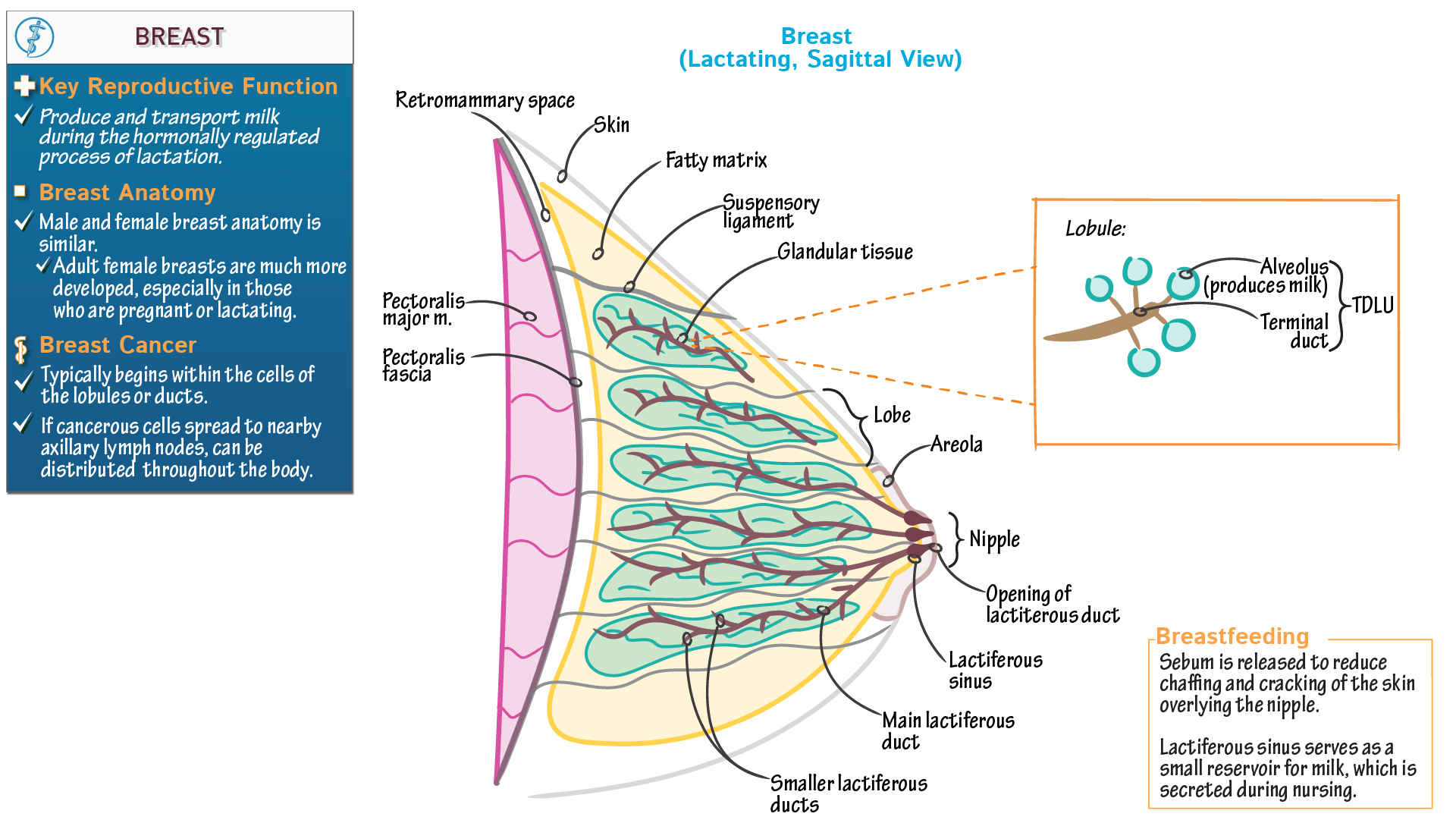
Producing milk and feeding a newborn
But the sexualization of boobs in popular culture — from celebrating ‘sexy’ cleavage to shaming women who. From breastfeeding in public to “free the nipple” campaigns, the breast remains a flashpoint in debates over gender equality, censorship, and bodily rights These movements challenge the narrow definitions of sexual propriety and push for a more nuanced, humanized understanding of the breast as both a sexual and social organ. Since the male sexual organ becomes larger when sexually aroused, do breasts become larger
During sexual excitation, breasts do gain in size, but only slightly It would be hard to notice the amount of difference in size visually, but the skin covering the breast may take on a bit of a flush in color.


