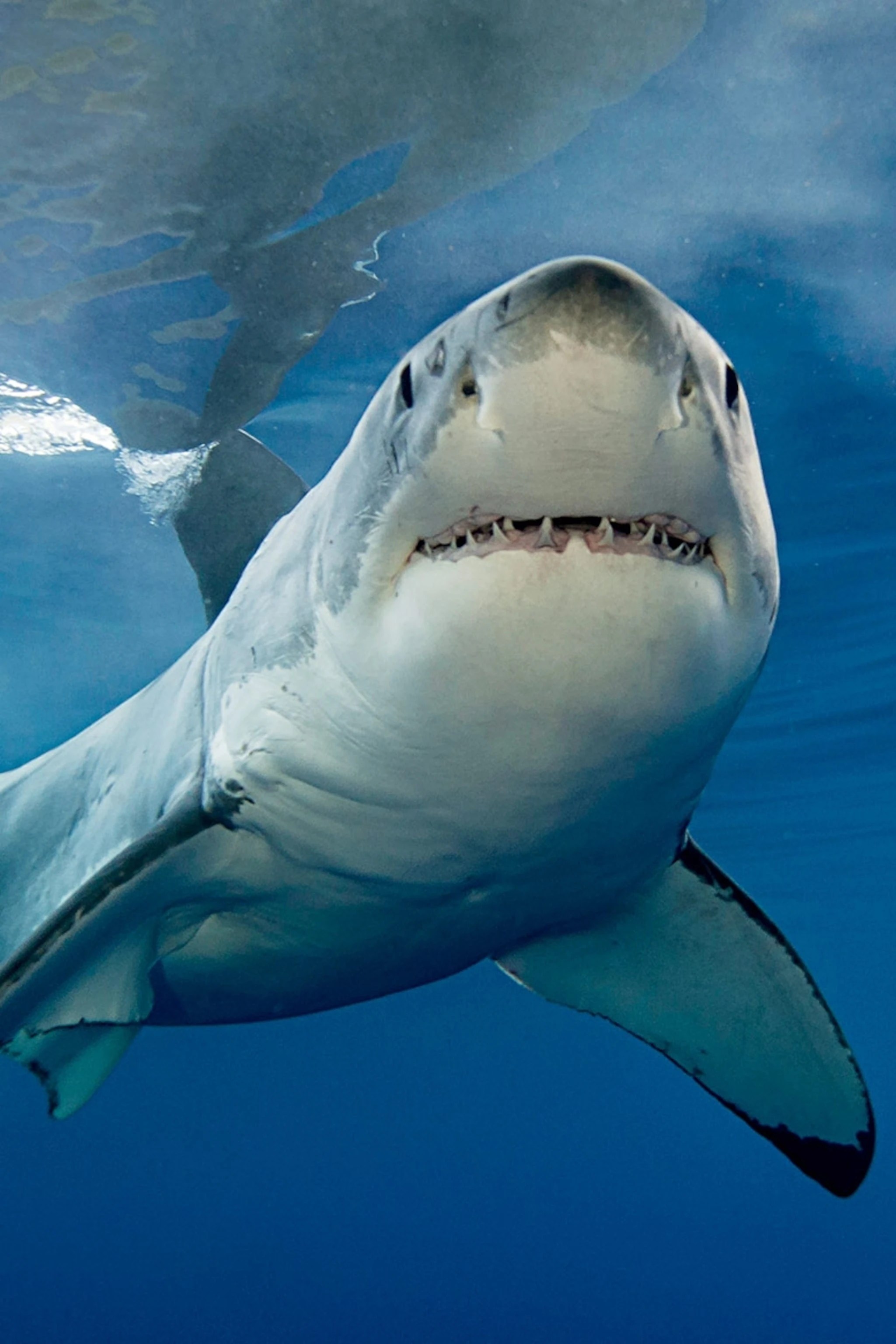
Use the previous and next buttons to navigate. Sharks are found in every ocean on earth, in habitats ranging from within coral reefs to under arctic ice Sharks are a group of elasmobranch cartilaginous fishes characterized by a ribless endoskeleton, dermal denticles, five to seven gill slits on each side, and pectoral fins that are not fused to the head
Shark Fish Facts - A-Z Animals
Modern sharks are classified within the division selachii[1] and are the sister group to the batomorphi (rays and skates).
Shark, any of numerous species of cartilaginous fishes that make up the order selachii (class chondrichthyes)
Most species have a tough skin that is dull gray in color and roughened by toothlike scales. An annotated and illustrated catalogue of shark species known to date Compagno, ph.d., the world’s foremost expert on sharks and director of our board of trustees. Sharks can rouse fear and awe like no other creature in the sea
Find out about the world's biggest and fastest sharks, how sharks reproduce, and how some species are at risk of extinction. Although most shark species inhabit the seas, a few exceptions including the river shark and bull shark can swim both in freshwater and seawater They commonly live at depths of about 2,000 m (7,000 ft) while some can swim even deeper. Sharks are often characterised as vicious killers, but in reality, they’re a diverse and endangered group of creatures that add tremendous value to marine ecosystems

Despite having a reputation as vicious, bloodthirsty predators, sharks are much more benign, varied and diverse than their portrayal in popular culture suggests.
Sharks are ancient, diverse predators with over 500 species They're vital to ocean health—but slow to reproduce and threatened by overfishing. There are over 400 shark species worldwide Learn how wwf protects sharks from threats like overfishing and habitat loss.