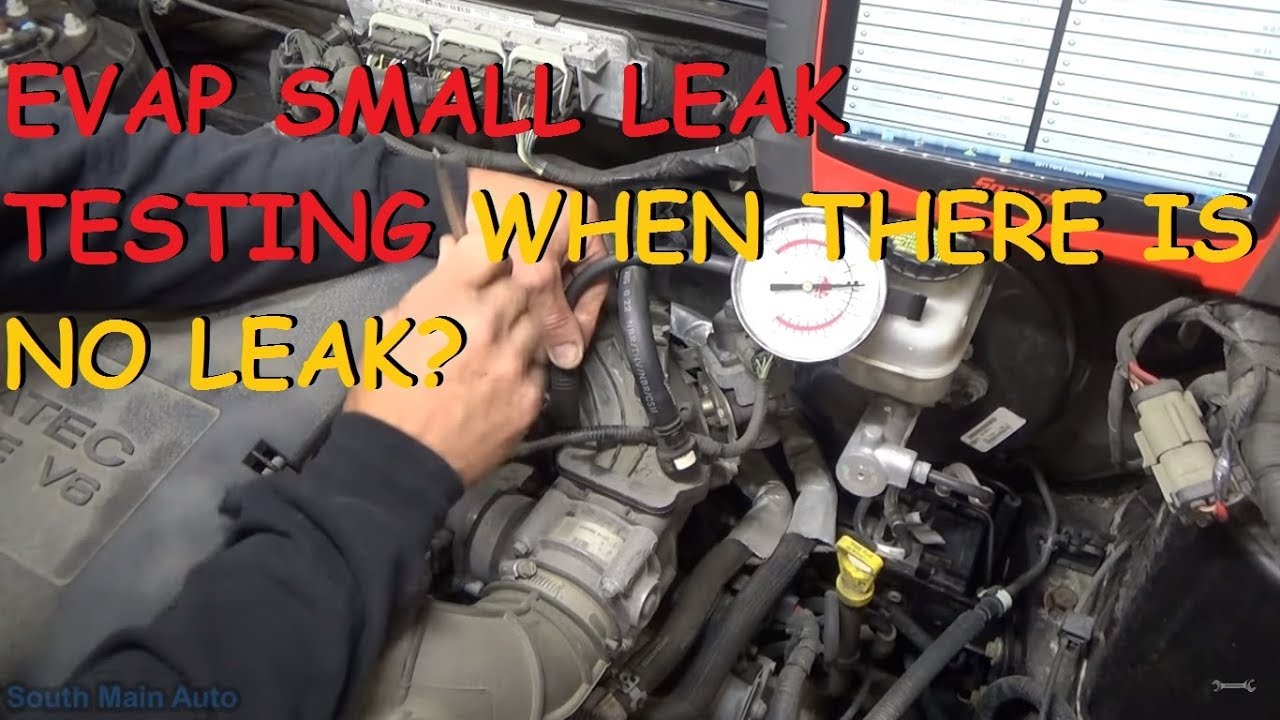
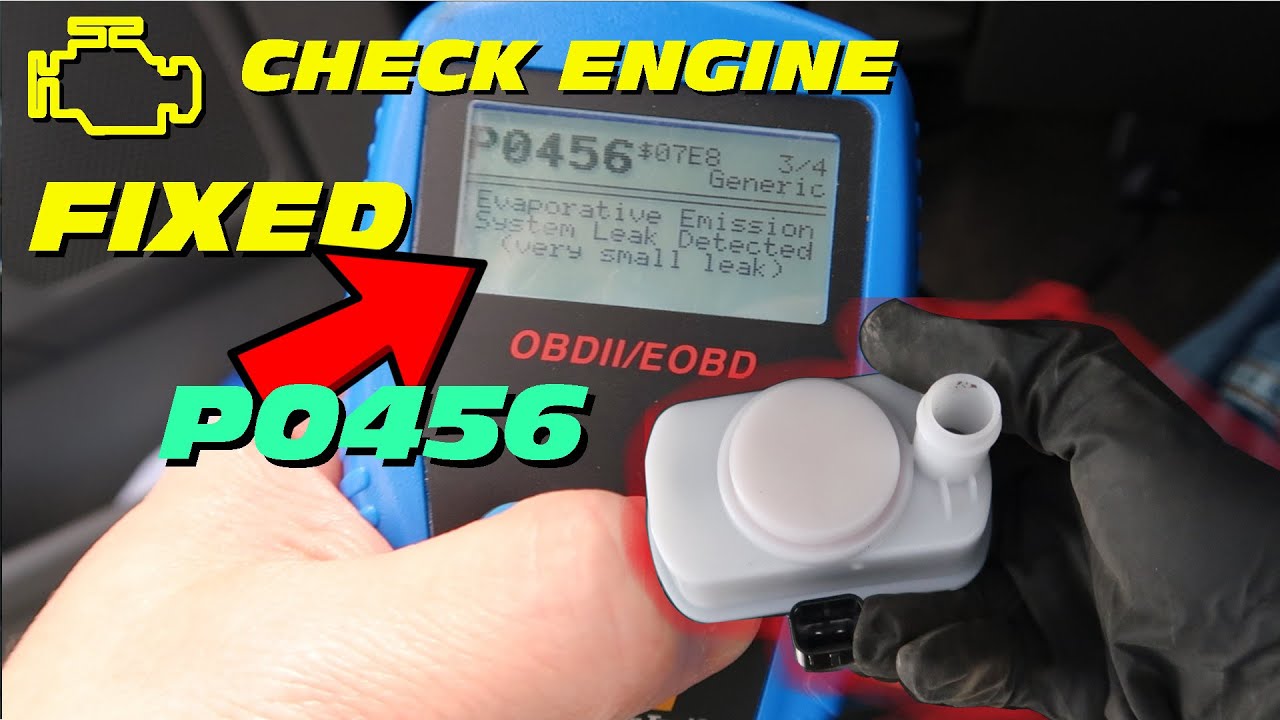
If you’ve ever left the gas cap loose on a modern car, there’s a good chance you’ve had an encounter with the evaporative emission control (evap) system Junkyard guide to fixing your evap system Evap, short for evaporative emission control system, is an emission control mechanism that prevents the escape of fuel vapors, primarily hydrocarbons, into the atmosphere.
Code P0455 & P0456 EVAP Small Leak Easy Fix - YouTube
Evap systems have now served as regular equipment on all american vehicles for a number of decades
However, such systems do, at times, experience leaks that must be addressed
But how do you know if you have an evap leak And most importantly, how much are repair costs going to run What is an evap leak? The purpose of an evap system is to capture the evaporated fuel, stabilize it, and return it to the engine for combustion
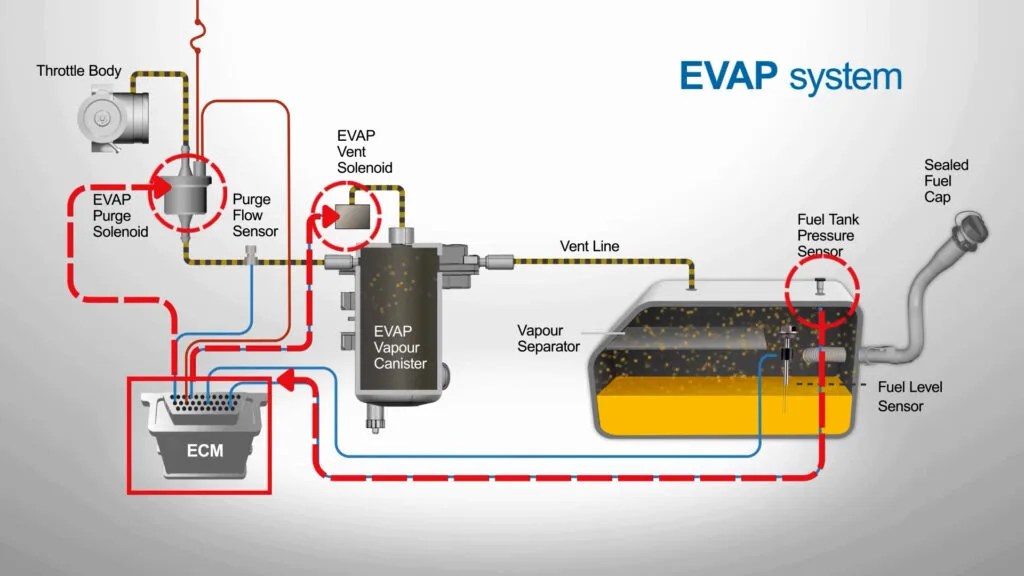
Without the evap system, all the toxic vapors would end up in the atmosphere. Discover what an evap system leak is, how to identify its symptoms, common causes, and the steps to fix it Learn how this critical system keeps your car running clean and efficient. The evap system is responsible for capturing fuel vapors produced in your vehicle's fuel system, storing them in a charcoal canister, and safely burning them off in the engine
This process helps reduce harmful emissions and improves overall air quality.
Learn what is a evap leak in your vehicle, understand common symptoms, and discover how to diagnose vapor system issues that can trigger the check engine light and harm performance. The evap system includes various components, such as the gas tank, charcoal canister, purge valve, and various hoses When the vehicle is running, the evap system purges the stored fuel vapors from the charcoal canister and routes them to the engine for combustion.