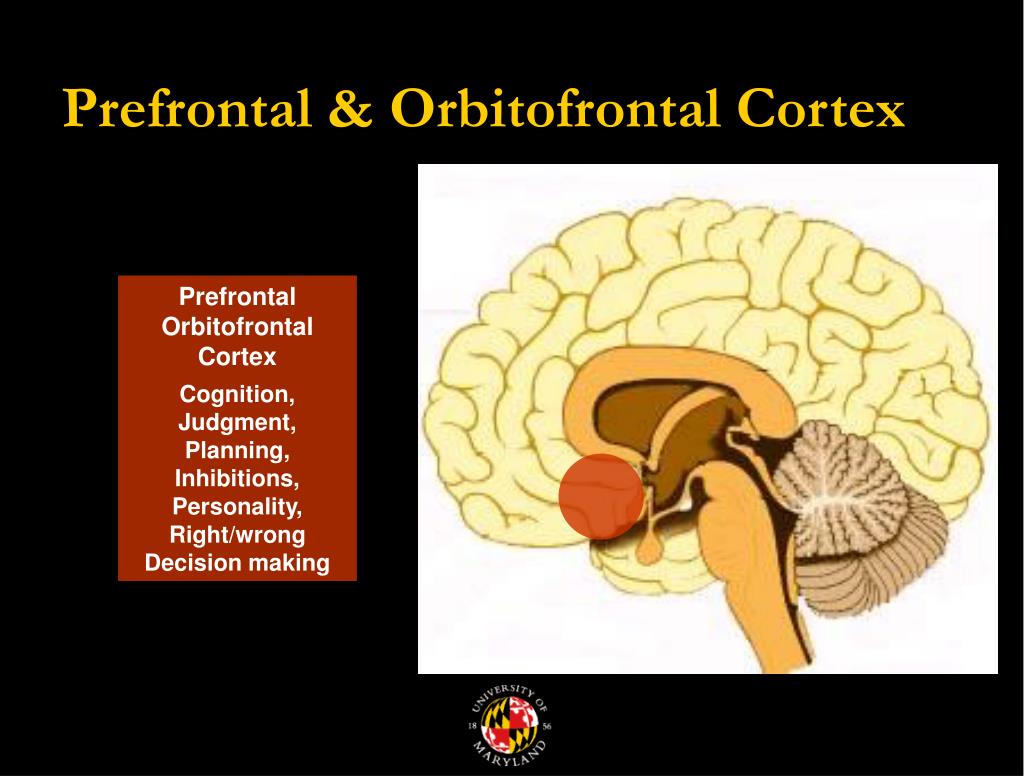
Examining the prevalence and impact of brain and head injuries among sexual homicide offenders. Thus, dysfunctions or differences in volume in this area may explain sexual behavior disorders such as pedophilia (tenbergen et al., 2015). To this purpose, researchers began to study the brain's structural and functional changes and the neurocognitive profiles of sex offenders, in comparison to nonoffenders and nonsex offenders, or among different subtypes of sex offenders.
Orbitofrontal Cortex Ocd
Neuroimaging studies regarding paedophiles revealed decreased grey and white matter in brain regions implicated in sexual incitement, such as amygdala, hypothalamus and septal regions, as well as in the orbitofrontal cortex (ofc) and basal ganglia, linked to impulse inhibition and reward.
This study provides neuropsychological evidence that agrees with behavioral indications of orbitofrontal dysfunction in sex offenders
Further work with other measures sensitive to orbitofrontal dysfunction (e.g Reversal learning, iowa gambling task), would corroborate these findings. The orbitofrontal cortex (ofc) plays an important role in behavioral control, including inhibiting sexual behavior (o'doherty et al., 2003)