Like snakes and coatlicue, rivera's catrina has fangs and a bloody mouth. From satirical sketch to national icon la catrina, mexico’s iconic skeletal lady in elegant attire, began as a sharp critique of social inequality Her name is la catrina and the essence of her story goes deep into mexican traditions and roots but has been restyled only in the last century
Catrina
It is believed that the aztecs worshipped a goddess of death that they alleged protected their departed loved ones, helping them into the next stages.
The history of day of the dead icon la catrina, from her satirical beginnings to her status as a symbol of the holiday.
La catrina, also known as la calavera catrina, is one of mexico’s most iconic symbols of día de los muertos (day of the dead) With her skeletal face, elegant attire, and elaborate feathered hat, she embodies the beauty and mystery of this celebration. La catrina is a very tall and fashionable female skeleton This stylish lady comes back to join the celebration every single.
La catrina and calaveras maintain profound contemporary importance in mexico, especially during día de muertos They have evolved beyond their original satirical message to become ubiquitous symbols of the holiday’s central philosophy A joyful acceptance of mortality and a celebration of life In modern celebrations, these elegant skeletons are a powerful visual language, reminding people.
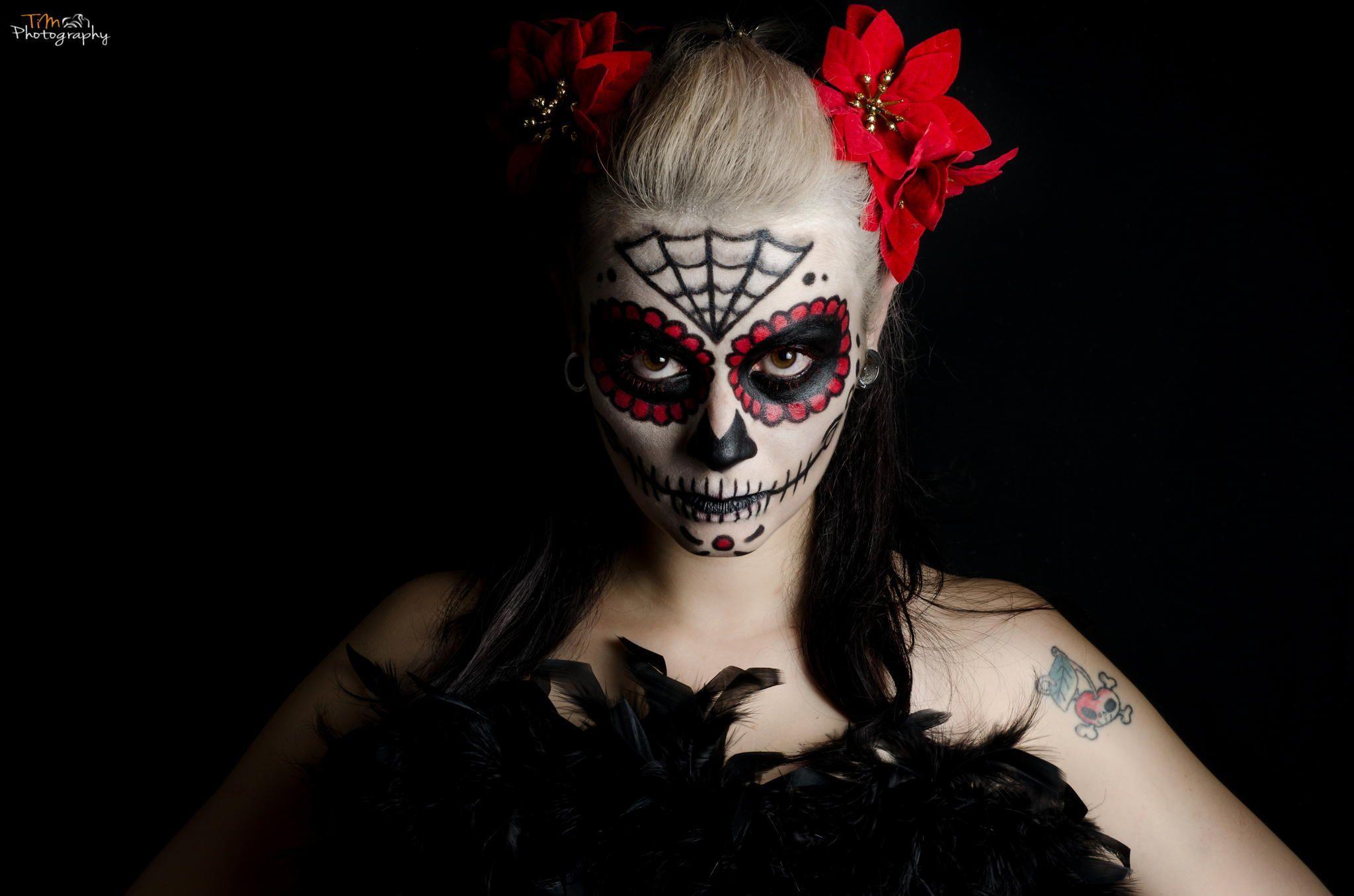
Catrina/ mictecacíhuatl an elegant figure, catrina is a work of art, a woodcut, created by artist josé guadalupe posada as a satire of the social situation in mexico in 1910.
The catrina, a skeletal figure adorned in elegant attire, has become an emblem of the mexican celebration known as día de muertos (day of the dead) It embodies the rich tapestry of mexican culture, weaving together themes of death, life, and the acceptance of mortality.


