Raphael, master painter and architect of the italian high renaissance, best known for his madonnas and for his large figure compositions in the vatican His name was raphael—a painter, architect, and visionary whose influence would ripple through centuries of western art His work is admired for its clarity of form and ease of composition and for its visual achievement of the neoplatonic ideal of human grandeur.
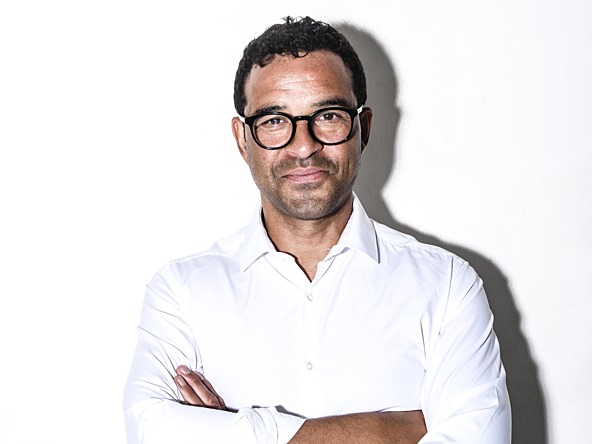
Investigative journalist Raphael Rowe among keynote speakers for MRS
Raphael translated the high renaissance ideals of beauty in breathtaking paintings that made his images iconic, and his name a legend.
Raphael (raffaello santi) was born in urbino where his father, giovanni santi, was court painter
He almost certainly began his training there and must have known works by mantegna, uccello, and piero della francesca from an early age His earliest paintings were also greatly influenced by perugino. Raphael, born raffaello sanzio on april 6, 1483, in urbino, italy, emerged as one of the most significant figures of the italian renaissance Trained initially by his father, giovanni santi, raphael inherited a rich cultural legacy that laid the foundation for his artistic development.
While painting the rooms of the vatican palace, raphael incorporated portraits of the most influential artists of his time, including michelangelo, leonardo, and himself. Raphael died on the 6th of april 1520 at the age of 37 and was buried the next day in the pantheon He was a famous, wealthy, and popular renaissance personality and his funeral was very well attended attracting large crowds.