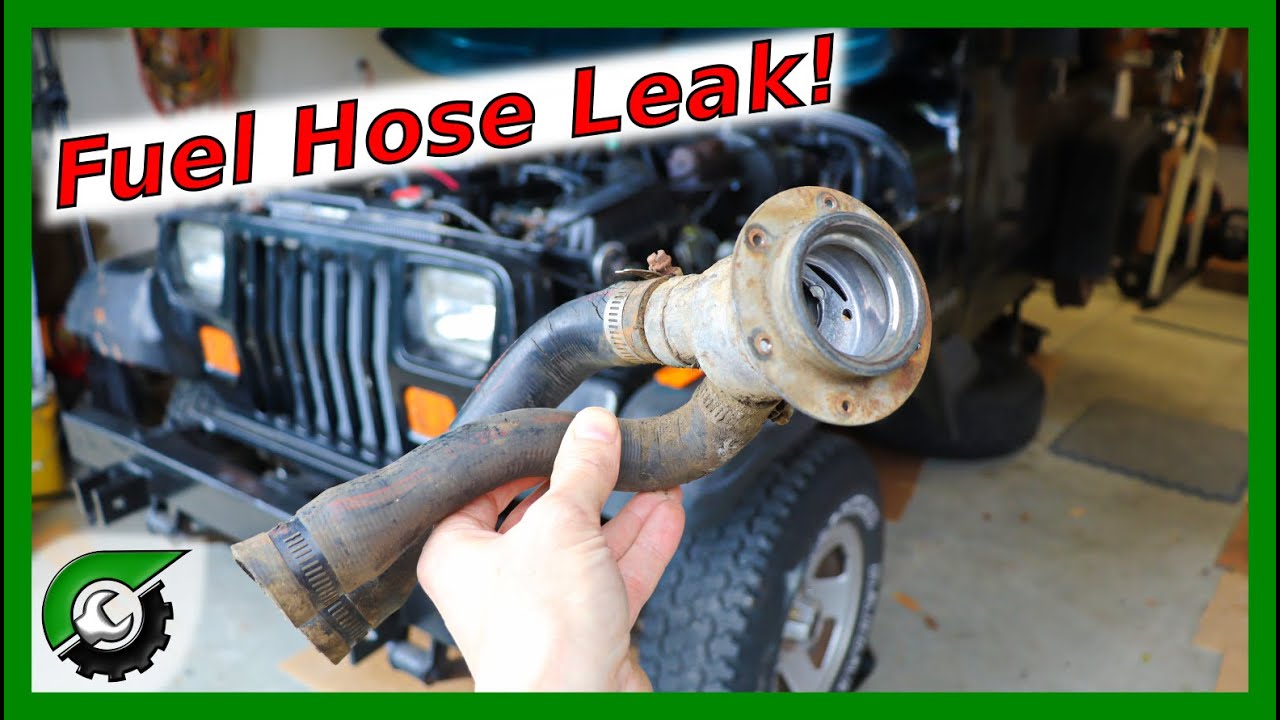
A fuel line leak is dangerous for you and your car’s health You may still notice wetness along the fuel line or small patches of liquid under the vehicle Explore the signs and causes of a fuel line leak, and if you can drive with one.
Leaking Fuel Hose In Car at Charli Murnin blog
A bad fuel line will show symptoms like poor gas mileage, fuel smell, and visible fuel leaks
There are a number of things that can cause a fuel line leak
Fuel can soak into the hose over time and break it down, causing cracks and leaks Depending on what section of the fuel line needs replacing, new parts can cost anywhere from $10 to $530 The difference in price often depends on whether. A leaking fuel line connector can pose significant safety hazards and lead to decreased vehicle performance
Addressing this issue promptly is crucial to prevent fuel loss and potential fire risks In this guide, we will walk you through how to fix a leaking fuel line connector, understand the tools you’ll need, and provide a clear, methodical approach to repair or replace it These fittings are commonly used in modern vehicles and require a specific tool to disconnect them without damaging the connector or fuel line. If your hose doesn’t return to its original shape after flexing or has noticeable deformations, it’s a red flag

Fuel smell or visible leaks it only takes a small leak to create a big problem—especially with flammable liquids
Drips near fittings, wet spots on the hose jacket, or fuel odors during and after use can all point to hose. Fuel leaks are difficult to trace as gas evaporates soon after leaking out