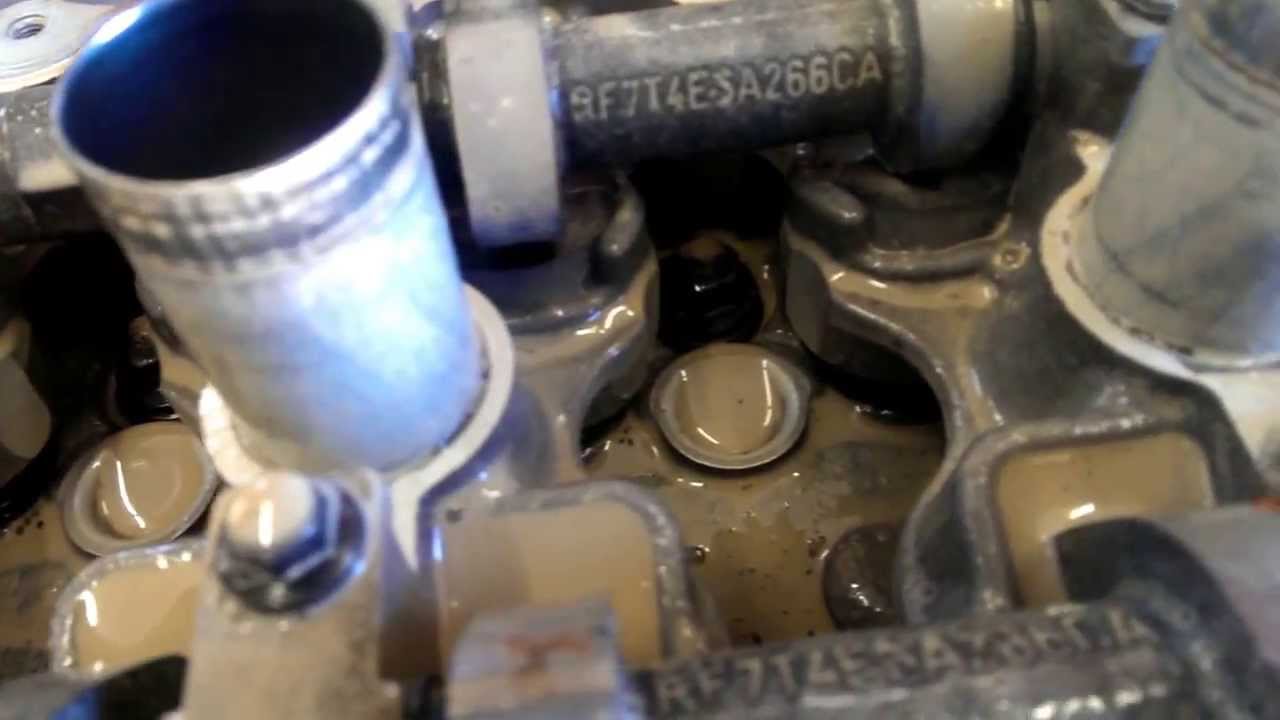
Discover the risks associated with coolant leaking into your engine in this comprehensive article The engine relies on coolant to maintain optimal operating temperatures Learn to identify warning signs like discoloration and unusual odors, and understand how coolant contamination can lead to overheating and severe damage
What happens when coolant leaks into engine - YouTube
Explore various coolant types, their crucial functions, and preventative measures to protect your vehicle
Stay informed to ensure smooth.
Coolant leaks, in general, can occur externally (from hoses, the radiator, or the water pump) or internally Internal leaks, the focus of this discussion, are far more problematic because they allow coolant to mix with engine oil or enter the combustion chambers. Understand your vehicle's cooling system, spot signs of trouble, and learn to fix minor leaks with autozone. Coolant may be leaking into the engine’s combustion chamber due to a blown head gasket
This is one of the most serious types of coolant leaks because the engine is burning coolant, not just losing it. However, a seemingly innocuous coolant leak can quickly escalate into a major mechanical issue, potentially leading to severe engine damage Understanding how coolant leaks into the engine is crucial for early detection, prompt repairs, and ultimately, the longevity of your vehicle. Overheating engine one of the first indicators of a coolant leak is an overheating engine

If your temperature gauge is climbing higher than normal, it’s a red flag