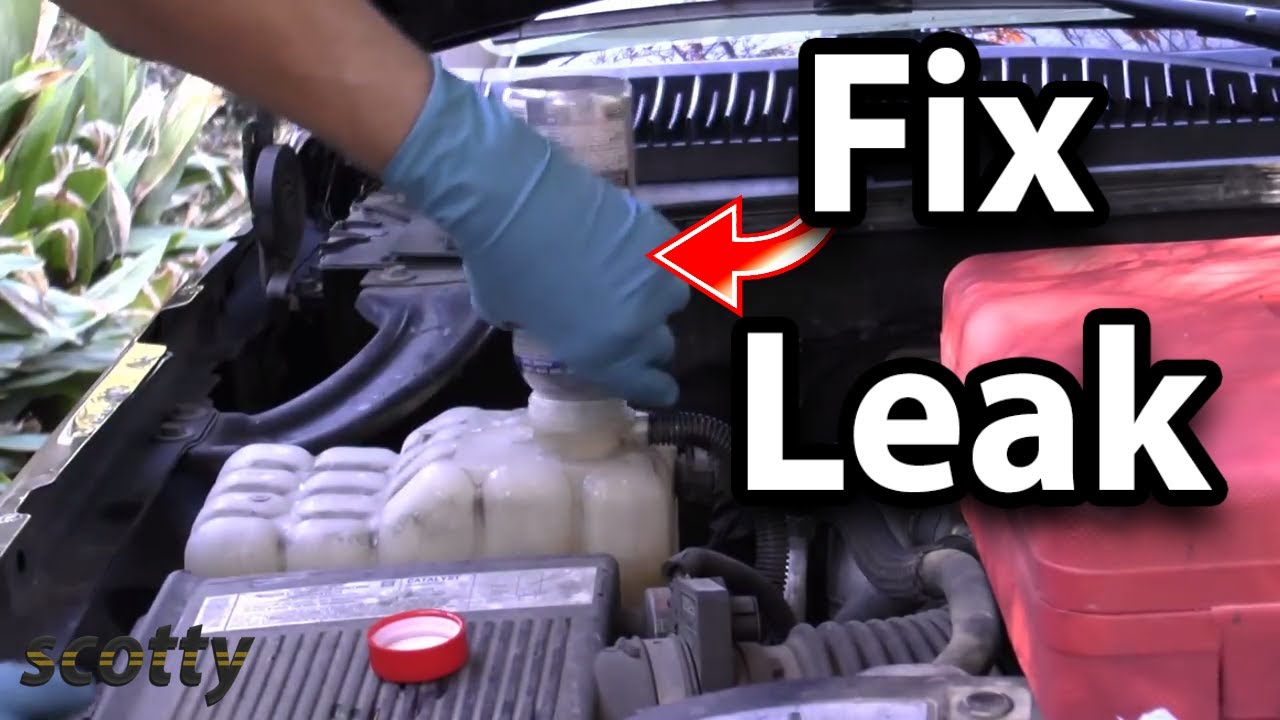
If you notice antifreeze dripping from the vehicle or the reservoir seems to be emptying, it’s time to fix your car Identifying and fixing a coolant leak is an essential skill for any car owner or enthusiast to ensure the longevity and reliability of their vehicle In this guide, we cover the top reasons for a coolant leak.
How to Fix a Radiator Coolant Leak - YouTube
Understanding coolant leaks coolant is an essential fluid
That is, if you do not have the right amount of fluid, you are asking for serious trouble that may include substantial engine damage
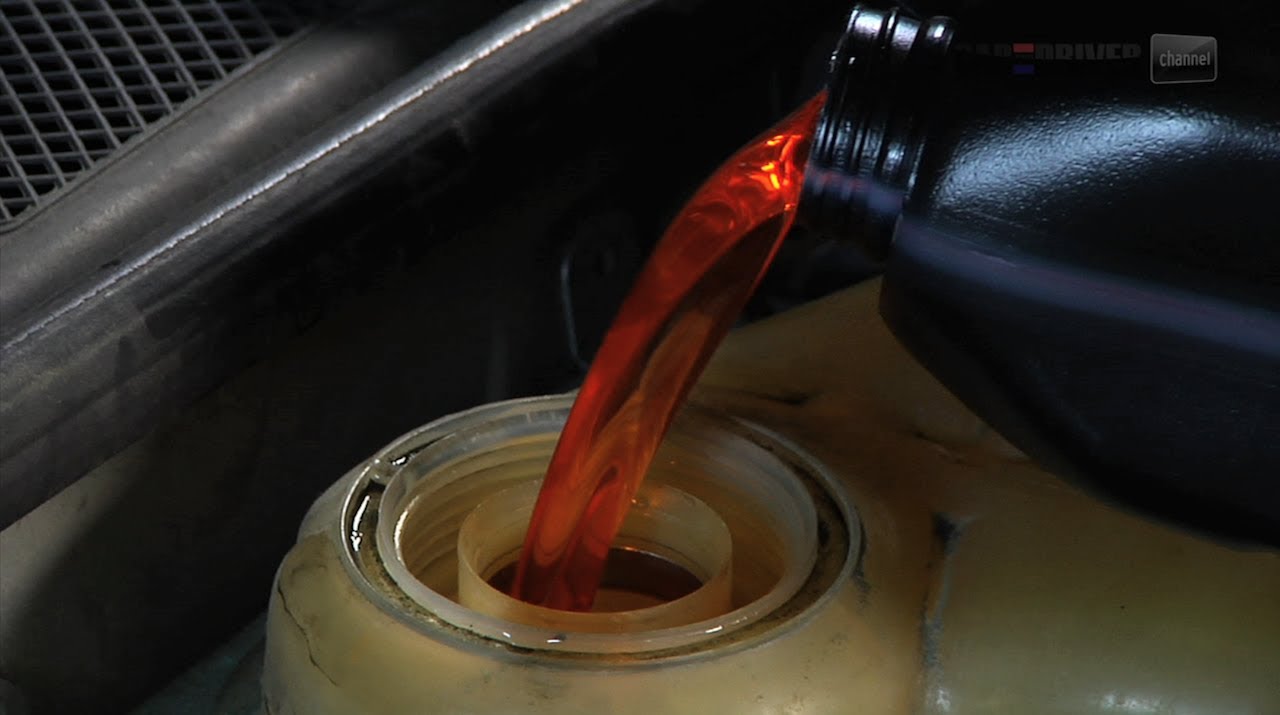
As such, you should routinely check your car’s coolant levels If you regularly find that you are adding new fluid to your system, there is a good chance you have a coolant leak A consistent drop in coolant levels may indicate a leak, and driving with low coolant levels can lead to engine overheating and potential failure To check your coolant level, ensure your engine is cool and remove the radiator cap or coolant tank cap to inspect the fluid level.
Is your car leaking bright green or orange fluid Discover the common causes of coolant leaks and their implications for your vehicle's health This article covers everything from cracked hoses to faulty radiators and worn gaskets Learn to spot the signs of a leak, including warning lights and overheating engines

Plus, find out how to diagnose and prevent coolant issues to keep your ride.
Is it safe to drive with a coolant leak If the leak is small and your coolant level stays steady, you might be able to drive short distances But you should fix the problem as soon as possible A big leak or low coolant level can lead to engine overheating in minutes, which can cause thousands of dollars in damage.
Do you want to quickly stop coolant leaking from your car and prevent engine damage This guide shows simple checks and fixes to save your car and money. A coolant leak in your vehicle can lead to engine overheating, which might result in serious damage if not addressed promptly